



.png)
Advanced Research
How Often Should You Survey Employees? The Complete Guide

.png)

.png)
Read Article

.png)
.png)

Team Remesh
August 7, 2026
Employee Research
Articles
Advanced Research
How Often Should You Survey Employees? The Complete Guide
Learn More
Team Remesh
August 7, 2026
Employee Research
Articles

Advanced Research
Beyond Frequency Counts: A New Framework for Understanding Qualitative Data
Read Article
Team Remesh
August 5, 2026
Employee Research
Articles
Advanced Research
Beyond Frequency Counts: A New Framework for Understanding Qualitative Data
Learn More
Team Remesh
August 5, 2026
Employee Research
Articles
Advanced Research
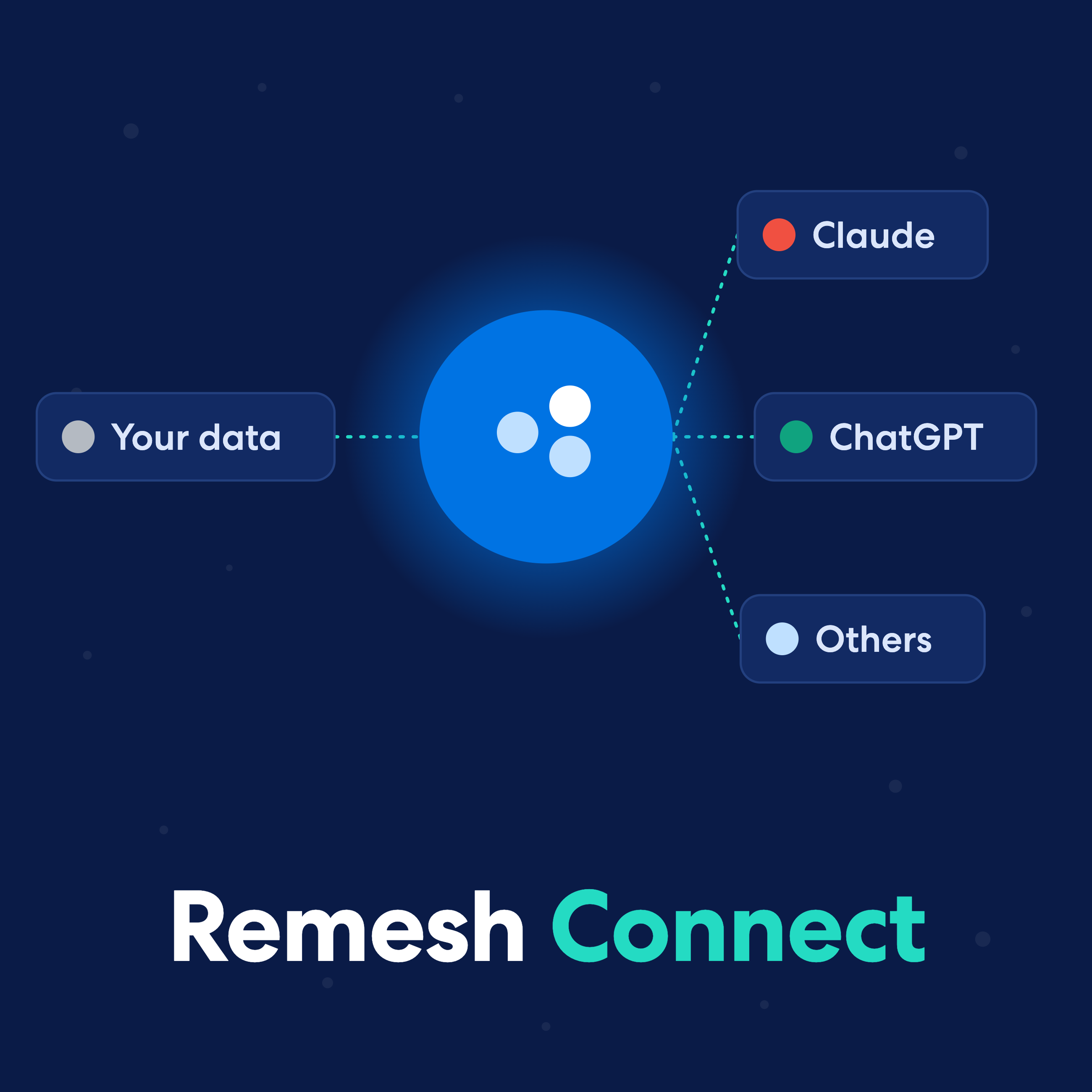
Remesh Connect: Bring Your Data and Remy Wherever You Work
Read Article
Team Remesh
July 14, 2026
Market Research
Articles
Advanced Research
Remesh Connect: Bring Your Data and Remy Wherever You Work
Learn More
Team Remesh
July 14, 2026
Market Research
Articles
.png)
Advanced Research
4 Tools (and Questions) to Identify Employee Motivation and Commitment
Read Article
Team Remesh
July 2, 2026
Employee Research
Articles
Advanced Research
4 Tools (and Questions) to Identify Employee Motivation and Commitment
Learn More
Team Remesh
July 2, 2026
Employee Research
Articles
.png)
Advanced Research
Emotional Marketing Strategies That Boost Consumer Purchase Intent
Read Article
The Remesh Team
June 29, 2026
Market Research
Articles
Advanced Research
Emotional Marketing Strategies That Boost Consumer Purchase Intent
Learn More
The Remesh Team
June 29, 2026
Market Research
Articles

AI
Your Employees Have Feelings About AI. Most Leaders Don't Know What They Are.
Read Article
Team Remesh
June 9, 2026
Employee Research
Articles
AI
Your Employees Have Feelings About AI. Most Leaders Don't Know What They Are.
Learn More
Team Remesh
June 9, 2026
Employee Research
Articles

Trends
4 Ways To Lengthen Your Product’s Life Cycle
Read Article
Anika Nishat
June 4, 2026
Market Research
Articles
Trends
4 Ways To Lengthen Your Product’s Life Cycle
Learn More
Anika Nishat
June 4, 2026
Market Research
Articles

Research 101
Consumers Don’t Just Buy Products, They Buy Feelings
Read Article
The Remesh Research Team: Alexandra Key, Suzanne Walsh, and Frankee Thomas
May 28, 2026
Market Research
Articles
Research 101
Consumers Don’t Just Buy Products, They Buy Feelings
Learn More
The Remesh Research Team: Alexandra Key, Suzanne Walsh, and Frankee Thomas
May 28, 2026
Market Research
Articles

How Often Should You Survey Employees? The Complete Guide
Today’s leaders need more actionable insights than simple survey scores. They need to understand what employees think, why they feel that way, and what actions will have the greatest impact.

Employee surveys help organizations understand workforce sentiment, measure engagement, and identify opportunities to improve the employee experience.
But engaging with employees is easier said than done. According to Gallup’s State of the Global Workplace report, employee engagement has dropped 20% worldwide since 2022. This low engagement was estimated to cost the world economy $10 trillion in lost productivity.
To combat this growing problem, strong employee survey strategies are more important than ever.
But today’s leaders need more actionable insights than simple survey scores. They need to understand what employees think, why they feel that way, and what actions will have the greatest impact.
That’s why many organizations are moving beyond traditional survey strategies. Instead, they are building broader employee listening strategies. These strategies combine employee feedback with deeper insights into workplace experiences.
A key part of creating an effective employee listening strategy is determining the right survey frequency. Survey too often, and employees may disengage; survey too rarely, and organizations may miss important shifts in sentiment.
Quick Answer: How Often Should You Survey Employees?
Most organizations should run an employee engagement survey each year. They should also use quarterly pulse surveys to track changes in employee sentiment.
During periods of significant change, monthly pulse surveys or targeted employee listening efforts may also be appropriate.
Ultimately, the best employee survey frequency lets leaders review feedback, share results, and take meaningful action.
Key Takeaway
Employee survey frequency matters, but survey follow-through matters more. The best organizations use a steady feedback cadence to understand employee sentiment, learn why it exists, and act.
Which Employee Survey Type and Frequency is Best for Your Organization?
For most organizations, an effective employee survey frequency includes:
The most important rule is simple: Survey employees only as often as your organization can review and act on feedback.
More frequent surveys do not automatically create better insights. The value comes from understanding feedback.
It comes from finding the reasons behind employee sentiment.
It comes from using insights to improve the employee experience.
Organizations that want a more intentional way to gather employee feedback should explore an employee listening strategy. This strategy should balance collecting feedback, employee participation, and taking action.
Why Employee Survey Frequency Matters
Finding the right employee survey frequency is a balancing act.
Survey too frequently, and employees may become overwhelmed, especially if they don’t see how their feedback influences decisions. Survey too infrequently, and leaders may lose visibility into changing employee sentiment.
Employees are more likely to disengage when feedback disappears after submission. When organizations follow up and show how employee feedback affects decisions, surveys feel worthwhile.
That’s why the best employee listening programs collect the right feedback at the right time. They understand the context behind employee sentiment. They act based on what they learn.
Research Perspective
“Across employee conversations we’ve analyzed, we see that the most valuable insights come from understanding the reasons behind employee sentiment. Not just measuring whether sentiment is positive or negative. Organizations need both the signal and the story behind it to make confident decisions.”
— Patrick Hyland, Remesh
For additional guidance on employee survey best practices, SHRM provides resources for organizations designing employee feedback programs.
While surveys are valuable for measuring trends, deeper listening approaches can help organizations understand the reasons behind those trends. Employee sentiment assessment can help leaders identify the themes, concerns, and experiences influencing workforce sentiment.
Recommended Employee Survey Frequency and Cadence
No single employee survey frequency works for every organization. A strong employee listening strategy is not about surveying employees as often as possible.
The right approach depends on what you want to understand. It also depends on how fast your organization is changing and how quickly leaders can act on employee feedback.
For most organizations, the best survey schedule uses several methods.
Annual Employee Engagement Surveys
An annual employee engagement survey provides a comprehensive view of workforce sentiment and organizational health. These surveys are useful for measuring long-term trends related to:
- Employee engagement
- Company culture
- Leadership effectiveness
- Manager performance
- Employee experience
Annual surveys work best for:
- Measuring overall engagement
- Benchmarking year-over-year progress
- Identifying strategic priorities
- Supporting workforce planning
Because they capture the entire organization, annual engagement surveys are often the foundation of an employee feedback program. They give a broad view of how employees feel.
However, annual surveys also have limitations. They can show where engagement is improving or declining, but they may not always explain why employees feel the way they do.
Understanding the drivers behind engagement scores requires additional context. A conversational approach to employee listening can help organizations uncover deeper insights while engaging employees at scale.
Quarterly Pulse Surveys
Pulse surveys are shorter, focused surveys designed to measure employee sentiment between larger engagement surveys.
Most pulse surveys focus on a specific topic, such as:
- Workload and burnout
- Manager communication
- Change management
- Employee well-being
- Team collaboration
- Progress on organizational initiatives
A quarterly survey cadence gives organizations enough time to review feedback, identify trends, implement improvements, and communicate progress before asking employees for additional input.
Pulse surveys often answer one important question: What is happening?
However, they may not always answer the next question leaders need to solve: Why is it happening?
For example, a pulse survey may show declining confidence in leadership. Leaders still need to understand the concerns, experiences, or workplace dynamics behind that change.
Monthly Employee Surveys
Monthly employee surveys are not necessarily too frequent, but they should be used intentionally.
Organizations experiencing rapid change may benefit from more frequent feedback, including during:
- Mergers and acquisitions
- Organizational restructuring
- Leadership transitions
- Rapid growth
- Return-to-office initiatives
A good rule of thumb: Use monthly surveys to understand how employees experience change and identify where they need to provide extra support.
Lifecycle Surveys
Not every employee survey needs to involve the entire organization.
Lifecycle surveys gather feedback at important moments throughout the employee journey, including:
- New hire onboarding
- 30-, 60-, and 90-day check-ins
- Promotions
- Internal transfers
- Exit interviews
These surveys can help organizations understand key moments that shape employee experience. Because lifecycle surveys focus on specific employee experiences, they provide targeted insights without contributing to unnecessary survey fatigue.
Event-Based Employee Surveys
Some situations require employee feedback outside a regular survey schedule.
Event-based surveys help organizations understand employee sentiment after major moments such as:
- Organizational changes
- Policy updates
- Leadership announcements
- Workplace transitions
- Company-wide initiatives
These surveys should focus on helping leaders understand how employees feel. They should help leaders address concerns. They should also help leaders find ways to provide better support.
How to Avoid Survey Fatigue
Survey fatigue is not simply caused by asking employees for feedback too often. More often, it happens when employees feel leaders collect their feedback but do not act on it.
When employees complete surveys without seeing real action, they may see feedback programs as another task, not a chance to drive change.
To keep participation high and responses meaningful:
- Keep surveys focused and relevant.
- Only ask for feedback when it will inform a decision.
- Share survey results and insights with employees.
- Describe the actions you are taking.
- Give employees opportunities to provide context, not just ratings.
Deloitte’s Global Human Capital Trends research shows the importance of regularly listening and responding to employee needs. Closing the feedback loop helps employees understand that their perspectives matter and encourages more thoughtful participation in future surveys.
Summary: The Best Employee Survey Frequency Is the One You Can Act On
There is no universal answer to how often you should survey employees. The right employee survey frequency depends on:
- Your organization’s size
- The pace of business change
- Your employee listening goals
- Your ability to analyze feedback
- Your ability to communicate results and take action
For many organizations, an effective employee survey cadence includes:
- One annual employee engagement survey
- Quarterly pulse surveys
- Lifecycle surveys at key employee milestones
- Event-based surveys during significant organizational changes
However, survey frequency alone does not determine the success of an employee feedback program.
The organizations that get the most value from employee surveys do more than collect responses. They understand the reasons behind employee sentiment, identify emerging themes, and use insights to make better decisions.
Traditional surveys can help organizations understand what employees think. A modern employee listening approach helps leaders understand why employees feel this way.
Remesh helps organizations uncover deeper employee insights through AI-powered conversations that engage employees at scale. By combining the depth of conversation with the ability to analyze feedback efficiently, organizations can better understand employee perspectives and make more confident decisions.
Frequently Asked Questions
How often should you survey employees?
Most organizations benefit from conducting a comprehensive employee engagement survey once per year, supported by quarterly pulse surveys.
Organizations facing significant organizational change can use monthly pulse surveys or focused listening. Use them only if you can review feedback, share results, and act.
The key factor is not survey frequency alone. Whether employees see their feedback leads to real improvements.
Are monthly employee surveys too frequent?
Not necessarily. Monthly employee surveys work well during fast change when they are short and focused.
They should link to clear goals.
They become problematic when organizations collect feedback faster than they can understand it or respond.
A strong employee survey cadence balances consistent feedback collection with the ability to turn insights into meaningful action.
What’s the difference between a pulse survey and an employee engagement survey?
Employee engagement surveys are comprehensive assessments typically conducted annually to measure long-term trends in engagement, culture, leadership, and employee experience.
Pulse surveys are shorter surveys conducted throughout the year to monitor employee sentiment and progress on specific initiatives.
Both play an important role in employee listening. However, surveys alone may not always explain the reasons behind employee sentiment. Additional listening approaches can help leaders understand the context behind feedback.
Learn more about building an employee listening strategy.
How many questions should an employee survey include?
Annual engagement surveys are typically more comprehensive, while pulse surveys usually include fewer questions that employees can complete quickly.
The ideal survey length depends on the survey’s purpose and whether employees believe their feedback will affect decisions.
Short surveys can improve participation, but organizations should also create opportunities for employees to share context and explain the experiences behind their responses.
Related Resources
Turn Employee Feedback Into Meaningful Action
Choosing the right employee survey frequency is only one part of an effective employee listening strategy.
The real value comes from understanding what employees are telling you—and why they feel that way.
Remesh helps organizations move beyond surface feedback with AI-driven conversations that uncover deeper employee insights at scale.
By combining structured feedback with conversations, organizations can spot themes behind employee sentiment. They can understand workforce needs and take meaningful action with more confidence.
Explore how Remesh helps organizations build a more effective employee listening strategy.
-
Lorem ipsum dolor sit amet, consectetur adipiscing elit. Suspendisse varius enim in eros elementum tristique. Duis cursus, mi quis viverra ornare, eros dolor interdum nulla, ut commodo diam libero vitae erat. Aenean faucibus nibh et justo cursus id rutrum lorem imperdiet. Nunc ut sem vitae risus tristique posuere.
-
Lorem ipsum dolor sit amet, consectetur adipiscing elit. Suspendisse varius enim in eros elementum tristique. Duis cursus, mi quis viverra ornare, eros dolor interdum nulla, ut commodo diam libero vitae erat. Aenean faucibus nibh et justo cursus id rutrum lorem imperdiet. Nunc ut sem vitae risus tristique posuere.
-
More
Stay up-to date.
Stay ahead of the curve. Get it all. Or get what suits you. Our 101 material is great if you’re used to working with an agency. Are you a seasoned pro? Sign up to receive just our advanced materials.


